
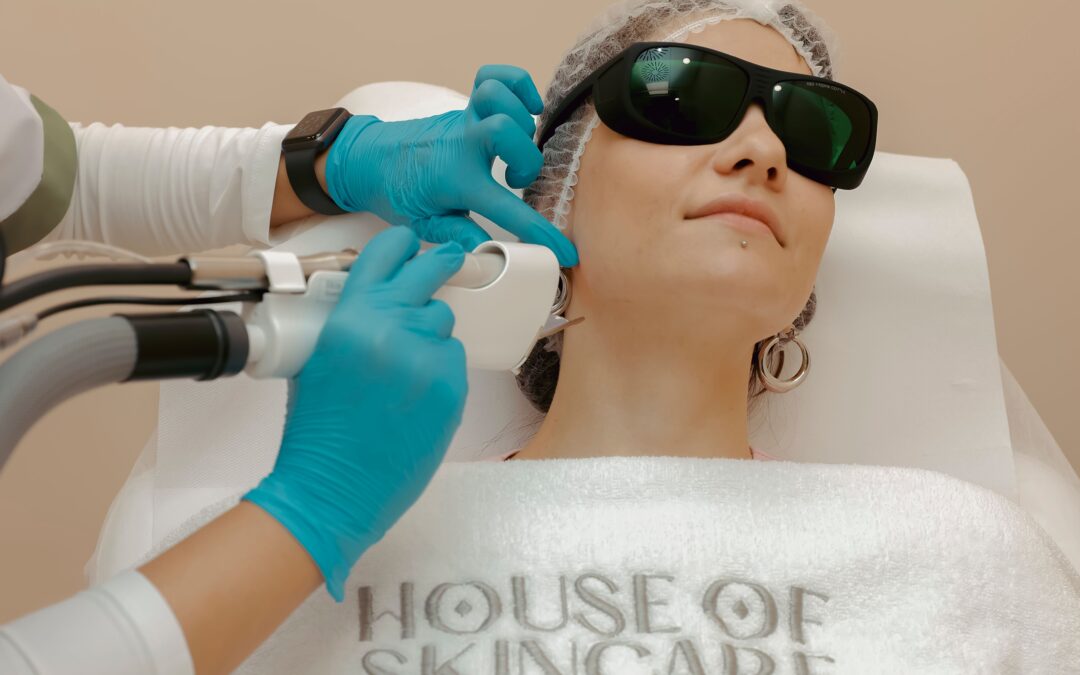
Skin concerns rarely fit into a single category. You may notice sun spots and uneven pigmentation while also dealing with enlarged pores, fine lines, or acne scars. Because different treatments address different concerns, combining procedures may seem like a logical way to approach overall skin rejuvenation. However, combining a photofacial with microneedling is not automatically appropriate for everyone.
Understanding what each treatment does and how they may complement one another is an important first step.
What Does a Photofacial Address?
A photofacial typically uses intense pulsed light, or IPL, to target specific pigmentation and vascular concerns. It may help reduce the appearance of sun damage, age spots, uneven pigmentation, redness, and broken capillaries. IPL may also stimulate collagen production over time.
If your primary concern is an uneven complexion caused by sun exposure or pigmentation, a photofacial in Winnipeg may be considered as part of an individualized treatment plan.
Photofacials are different from traditional cleansing or hydrating treatments. When comparing facials in Winnipeg, it is useful to understand whether the treatment is designed primarily for hydration and surface care or uses a technology such as IPL to address specific skin concerns.
What Does Microneedling Do?
Microneedling works differently. In order to promote the body’s natural wound-healing response and promote the formation of collagen and elastin, a device makes regulated microchannels in the skin.
It may be used for concerns such as fine lines, enlarged pores, crepey skin, and mild to moderate acne scarring. This makes microneedling more focused on skin texture and structural changes rather than pigmentation alone.
Why Combine the Two?
The potential advantage of combining treatments comes from addressing different concerns. IPL may focus on pigmentation and visible redness, while microneedling may address texture and collagen production. That does not mean the treatments should always be performed during the same appointment.
Skin type, sensitivity, pigmentation concerns, treatment intensity, and recovery requirements all matter. Research has explored combination approaches involving microneedling and light-based treatments, but the exact protocol matters. Evidence from one combination treatment should not automatically be applied to every IPL and microneedling schedule.
Should They Be Performed Together?
In many cases, spacing treatments apart may be a more appropriate approach than performing them consecutively. Microneedling temporarily makes the skin more reactive, while IPL also requires appropriate preparation and aftercare.
A qualified skincare professional can assess your skin and determine whether combining the procedures makes sense, and if so, how they should be scheduled.
Consider Your Skin Goals First
Instead of choosing two treatments simply because they sound more comprehensive, identify the concerns you actually want to address. If pigmentation and redness are your primary concerns, IPL may be considered. If texture, fine lines, or acne scarring are more prominent, microneedling may be more relevant.
Your treatment plan may involve one procedure, alternating procedures, or another approach altogether. Sun exposure and skincare habits also matter. Following appropriate aftercare and protecting treated skin from excessive sun exposure are important considerations after aesthetic treatments.
Explore a Personalized Skin Rejuvenation Plan!
Waterfront Laser Aesthetics offers photofacials, microneedling, chemical peels, microdermabrasion, and other aesthetic treatments in Winnipeg. Our clinic notes that treatment recommendations can be customized according to individual skin concerns. If you are considering a photofacial in Winnipeg or exploring different facials in Winnipeg, speak with Waterfront Laser Aesthetics about your skin goals and the treatment options that may be suitable for you.